Events and outings
Bringing your dog to a pet market: etiquette and tips
How to prepare your dog for a busy pet market or community event, what to bring, and the simple etiquette that keeps every dog and visitor comfortable.
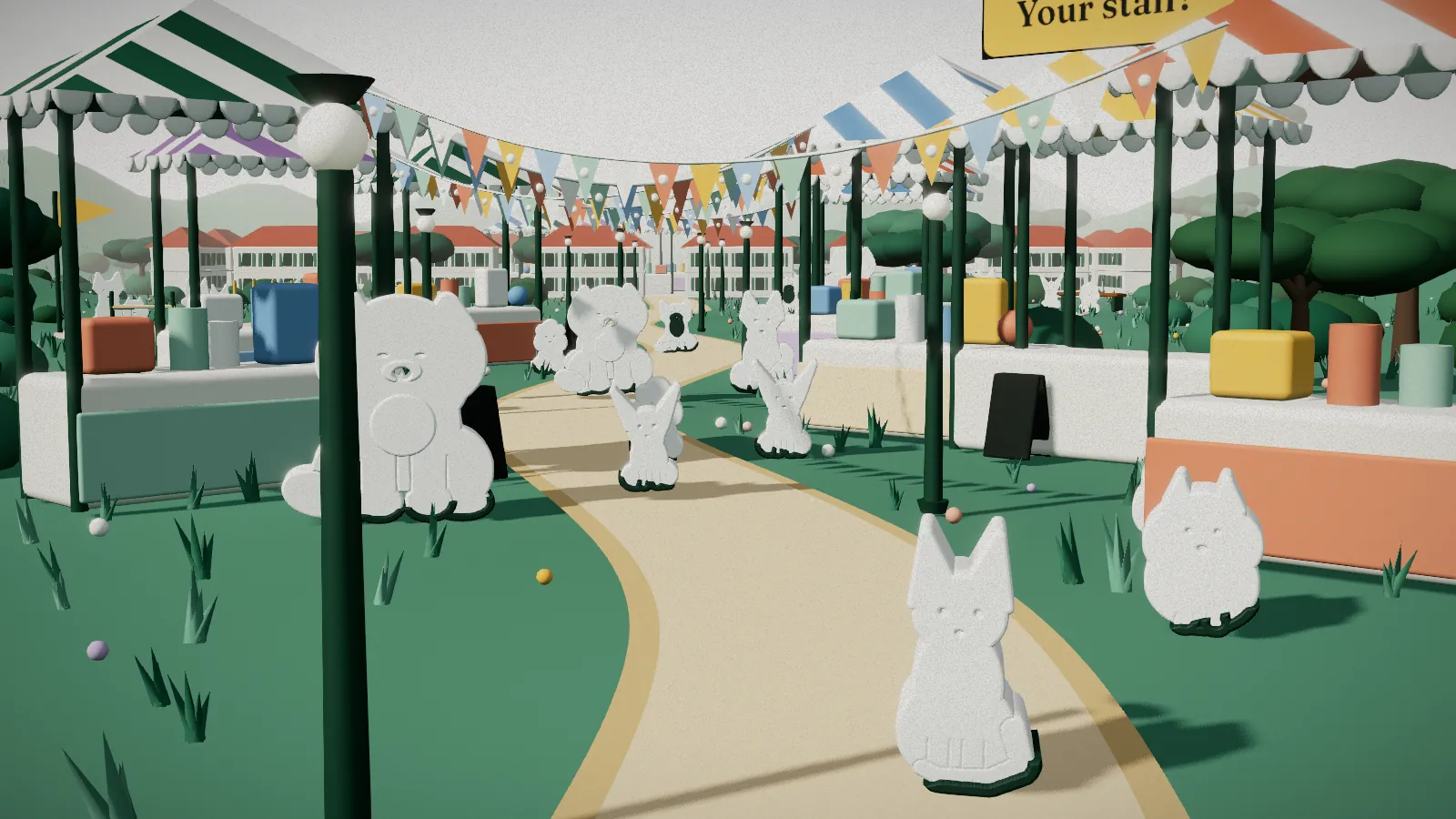
A pet market can be a great day out for a confident dog: new smells, friendly people and plenty of treats. For a nervous dog it can be a lot. A little preparation makes it fun for both of you, and for everyone around you.
Is your dog ready?
Ask yourself honestly:
- Is your dog relaxed around strangers, children and other dogs?
- Can it walk calmly on a lead through a crowd?
- Has it had its vaccinations, and is it licensed and microchipped?
- Is it well, and not in season?
If any answer is no, start with a short visit at a quiet time, or leave your dog at home this time.
What to bring
- A fixed-length lead. Retractable leads tangle in crowds. Dogs must be leashed in public places in Singapore.
- Water and a bowl, especially on hot days (see keeping your pet cool).
- Poop bags.
- Treats to reward calm behaviour.
- A mat or towel for rest breaks in the shade.
Market etiquette
- Ask before your dog greets another dog. Not every dog wants to say hello. Keep greetings short.
- Keep the lead short near stalls, food and children.
- Clean up straight away and use the bins provided.
- Keep paws off the tables. Sellers' goods are not for sniffing or marking.
- Give space to dogs that are wearing a yellow ribbon or lead, which is a common sign that a dog needs space.
- Watch for stress signals: yawning, lip-licking, a tucked tail, turning away or panting heavily in the shade. Take a break or head home.
Make it a good memory
Go for a short time rather than a long one, take regular breaks, and leave while your dog is still enjoying itself. That way, the next visit starts from a happy place.
We hope to see you and your dog at Phoenix Park. Check What's on for dates.
This article is general advice. For help with a fearful or reactive dog, speak to your vet or a qualified trainer.